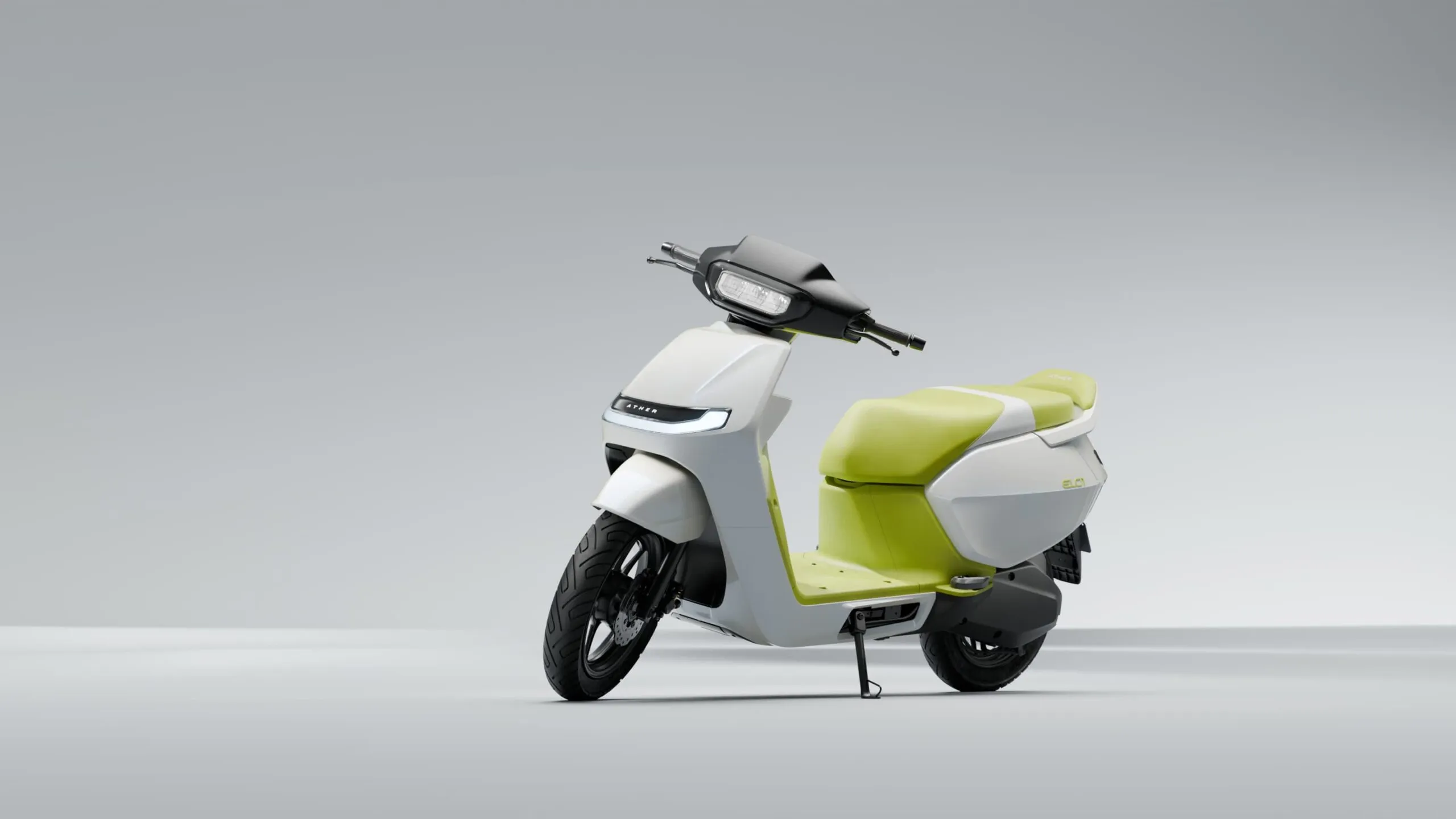
Ather’s New Affordable Scooter Patent Unveils Future EV Playbook; Ather Energy has filed the design patent for its EL01 electric scooter concept in India, sparking speculation that the model may feature in the company’s upcoming product lineup. First unveiled during Ather’s Community Day celebrations, the EL01 stands out as the inaugural concept built on the brand’s newly developed EL platform. The patent filing not only protects its distinctive design but also signals Ather’s intent to expand its portfolio with future-ready electric mobility solutions.
Ather’s New Affordable Scooter Patent Unveils Future EV Playbook Overview
| Feature / Specification | Details / What to Expect |
|---|---|
| Model (Patent) | Ather “Affordable Scooter” (530 variant EV concept) |
| Platform Name | New EL platform |
| Market Focus | More accessible, value-oriented EV scooter |
| Expected Positioning | Below current Ather 450 series |
| Target Range | Practical urban range (likely ~70–100 km real-world) |
| Motor | Efficient electric motor with modest power output |
| Battery | Optimised compact battery built for cost-efficiency |
| Key Features | Simplified design, digital instrumentation, practical utility elements |
| Safety | Standard brakes with integrated ABS / CBS |
| Launch Expectation | Future rollout (timelines unconfirmed) |
Ather’s Patent Signals a Mass-Market Electric Scooter
Ather Energy — one of India’s leading electric scooter manufacturers — has taken a significant step with its latest patent filing in India. The patent reveals technical and design details of an upcoming more affordable electric scooter, developed on a new platform referred to internally as the EL platform. This signals Ather’s transition from predominantly premium EV offerings to a broader, more value-focused product lineup.
The move aligns with the broader trend in India’s EV space, where increasing adoption depends on accessible price points, urban usability and appealing design. Ather’s new patent points to a strategic play for attracting first-time EV buyers, commuters and users prioritising cost-effectiveness without sacrificing build quality.
What the Patent Reveals: A New Platform, New Goals
The “EL platform” that underpins this future model appears to be an all-new architecture, distinct from the current Ather 450 series. Unlike existing premium scooters, the focus here is on utilitarian design, reduced cost structures and simplified engineering.
From the patent disclosures — which include side profiles, frame outlines and key component placements — the scooter appears compact and balanced for city riding. The frame design suggests a lighter build than premium models, likely translating to:
- More affordable manufacturing costs
- Lower purchase price for buyers
- Lighter overall weight for better efficiency
The architecture also looks positioned to support a range of battery capacities, optimised for urban rides rather than long touring distances. This suggests a practical range that suits daily city commutes — the core use case for the majority of scooter buyers in India.
Expected Powertrain and Performance
At its core, the scooter will be an electric model with a single motor driving the rear wheel. The motor and battery specifications aren’t officially disclosed yet, but judging from the compact platform and expected positioning, the output will likely be modest and efficient.
Rather than chasing high top speed or sport-bike-level performance, the new Ather scooter seems targeted at real-world city usability:
- Quick response in urban traffic
- Adequate acceleration for stop-and-go conditions
- Sufficient range to cover daily errands
- An easy-to-ride power curve for beginners and seasoned users alike
A moderate power output also helps keep battery cost low, which is essential for an affordable EV strategy.
Design Language: Practical and Modern
Patent illustrations show a scooter with clean lines and functional geometry. This is not a flashy eye-catcher like some premium offerings, but a thoughtful, utilitarian silhouette that balances style with practicality.
Some visible design traits include:
- A minimal front apron focused on utility lighting
- Integrated footwell space for rider comfort
- A compact seat intended for daily use
- Practical grab rails and rear utility hooks
The scooter appears to prioritise comfort and utility over aggressive styling, which is sensible given its targeted buyer persona — urban commuters and cost-conscious riders.
Feature Expectations and Tech
Although detailed feature lists are not available yet, Ather is likely to incorporate basic digital elements that offer modern usability but avoid the cost overhead of premium tech. Anticipated features may include:
- Digital instrument cluster
- Bluetooth connectivity with essential functions
- Trip and range info readouts
- Smartphone pairing (simplified)
- Standard braking with CBS or entry-grade ABS
It’s unlikely that advanced premium features — such as large colour screens, high-end ride modes or performance telemetry — will be included initially, as the focus is on delivering value at scale.
Market Positioning: How It Will Compete
In the context of the Indian EV landscape, this affordable Ather scooter is poised to challenge several segments:
- Entry-level electric scooters priced for urban commuters
- Value-focused scooters from mainstream players
- Early-adopter premium scooters transitioning to mass market
Ather’s brand strength — built on high-quality fit and finish, engineering robustness, and reliable customer service — gives it an edge in competing against low-cost alternatives. By stretching its lineup downward, Ather can retain aspirational buyers while capturing new growth segments.
What This Means for EV Adoption in India
Ather’s shift toward affordability is more than just another product introduction — it reflects a broader push in India’s EV ecosystem. For electric vehicles to become mainstream, manufacturers must cater to:
- First-time buyers concerned about total cost of ownership
- Commuters seeking daily dependability
- Users prioritising practicality over premium features
By patenting and developing a simplified, city-ready EV platform, Ather is positioning itself to play a major role in the next phase of electric mobility adoption.
Final Thoughts
The Ather affordable scooter patent is an exciting development for India’s EV market. It promises to blend practical design, everyday usability, and electric efficiency into a package that could appeal to a wide range of buyers. While final specs, pricing and launch details are still forthcoming, the early insights suggest a smart, thoughtful move that could make electric scooters even more accessible across urban India.
As the model progresses from patent to prototype to production, it will be worth watching how Ather balances cost, performance and reliability — and how this new EV helps shape the future of affordable electric mobility.

MK Vats is the founder and owner of MotoElectra.com, a leading platform dedicated to cars, bikes, electric vehicles, and automotive technology. With a deep passion for vehicles and innovation, MK Vats has committed his career to sharing comprehensive reviews, latest news, and expert insights for automotive enthusiasts and potential buyers.